
About Shado
Why Shado Exists
Built for watches and handbags worth protecting, and the history that comes with them.
The scale of the problem
What Luxury Is Up Against.
Organised networks for high-end counterfeiting are surging, with superfakes now sophisticated enough to fool trained authenticators. The systems that should prevent this, paper certificates, static records, word of mouth, have not changed in decades.
When counterfeiting and theft are this profitable, paper proof starts to look fragile.
Shado was built to change that.
Our origin story
Where It Began.
Shado began with a practical problem: what happens when a valuable watch or handbag disappears. Theft was only part of it. Counterfeits, forged paperwork, and weak resale checks showed the same problem from different angles: trust was too easy to break.
That is why we created the Shado Tughra and Vault. The Tughra protects the certificate attached to the watch or handbag. Vault gives people a way to check what has been recorded.
Shado is pre-launch and preparing its first pilot with independent brands. The module is fitted inside the watch or handbag at manufacture and links it to its ownership record and history. The aim is to make high-value pieces easier to trace, verify and pass on.

The people behind Shado
Built By People Who Believe Ownership
Should Endure.
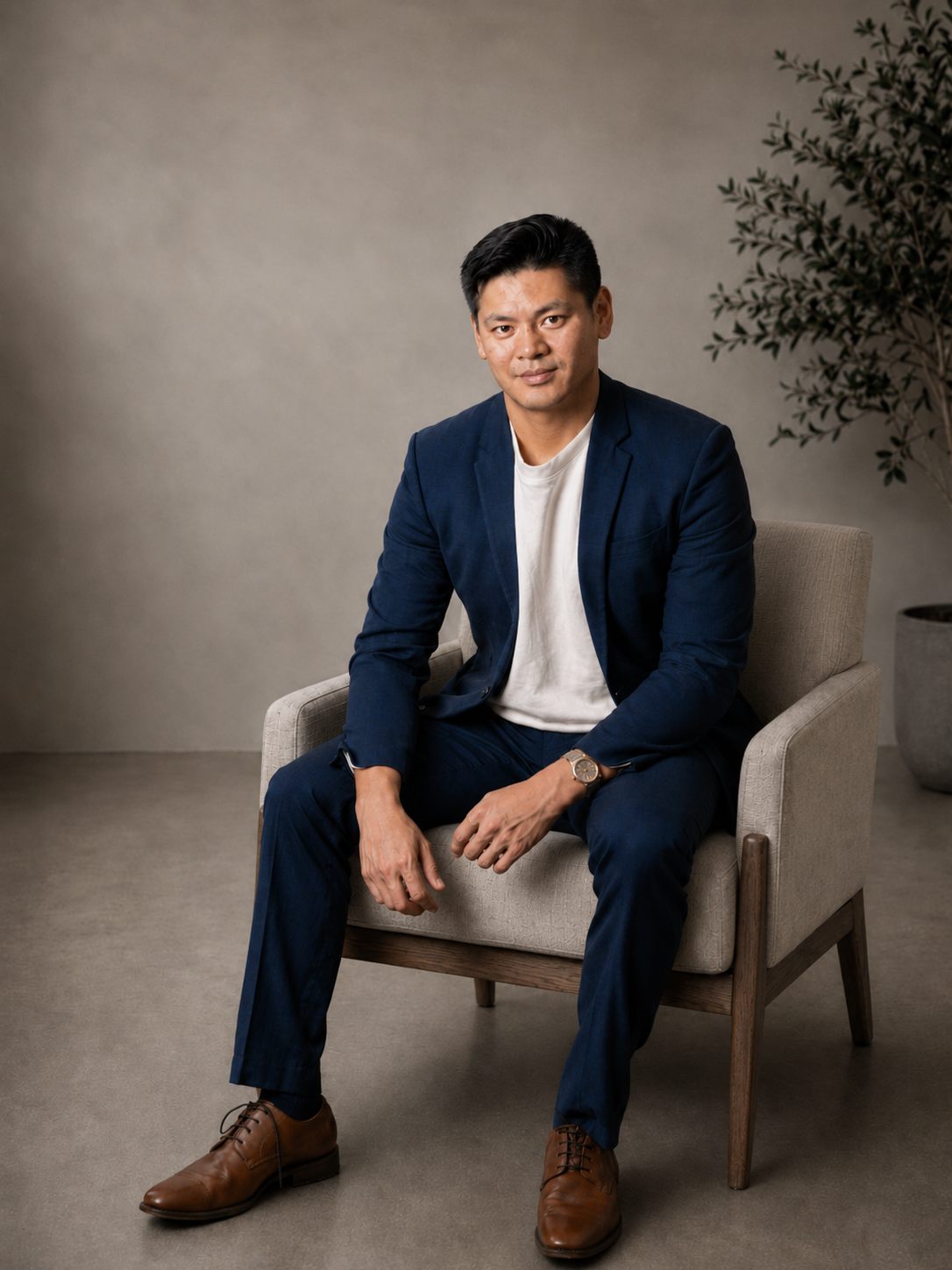
I started Shado because one thing about luxury never made sense to me. Growing up, I was always told to watch out for fake goods and theft. It was treated like something consumers simply had to be aware of, not something anyone was actually solving properly for them. That never sat right with me.
The more I looked, the clearer it became. Theft leaves an owner with almost nothing to work with. No verified record, no evidence trail, no real way to flag a piece through the channels that matter. And counterfeiting had evolved to a point where superfakes were becoming indistinguishable from the real thing, and AI was accelerating that faster than any paper certificate or serial number could keep up with.
While I was working through the idea, someone told me about their grandfather's watch. Given to him for his service in the Second World War. They weren't worried about what it was worth. They were worried their children would never understand what it meant. A piece can carry serious financial value, personal meaning, and significance for whoever owns it next, yet its story still depends on paper cards, receipts, or memory. Things that can be lost, copied, or separated from the piece itself.
My background is in IT and enterprise technology, where I spent years around tools that help businesses prove, track, and protect things. Most of that value had never reached consumers in a simple and meaningful way. Shado is my answer to that gap: technology built into the piece itself, so it carries its proof, ownership and history forward without changing how it looks or feels.
What we stand for
What We Believe
Our commitment
Responsibility & Trust
Counterfeiting and theft are not abstract problems for owners. They affect resale, safety, and the confidence people place in what they own. Shado is built around three responsibilities:
Protecting consumer privacy
Private ownership details stay private. Verification shows status without exposing identity.
Respecting brand heritage
The technology should respect the standards luxury brands have spent generations building.
Supporting stolen-item reports
If a piece is reported stolen, it is flagged and can't be transferred, and the owner has a record to give to police or their insurer.